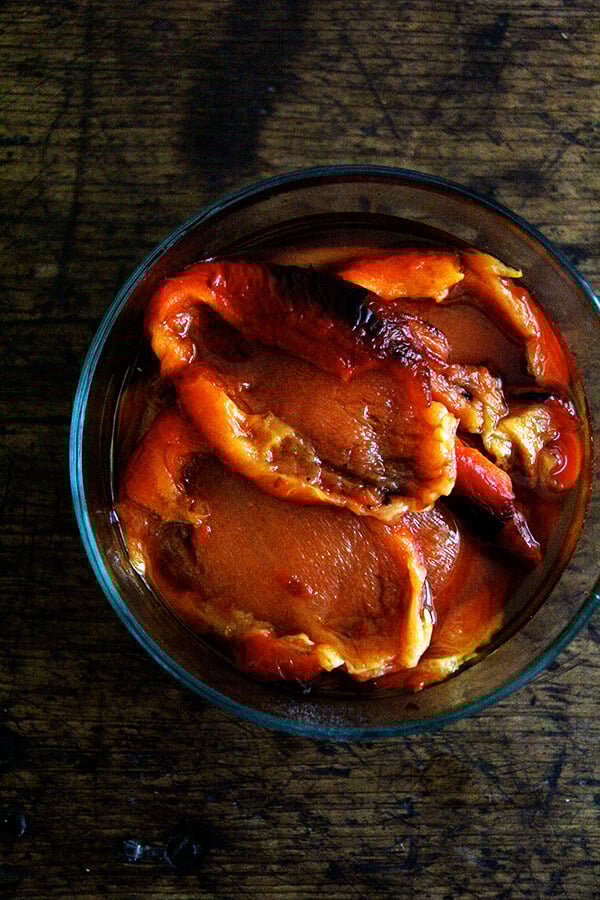
Roast Peppers at Home: Peel Easily & Store for 6 Months
Few ingredients capture the essence of sun-drenched Mediterranean cuisine quite like roasted peppers. Their natural sweetness intensifies, a beautiful smoky char emerges, and their texture transforms into a silky, tender delight. Far from a complicated chef's secret, learning
how to roast peppers at home is a simple, three-step process that unlocks incredible flavor, offers fantastic versatility, and provides a cost-effective way to enjoy this beloved vegetable year-round. Say goodbye to expensive jarred versions and hello to fresh, preservative-free goodness that can last for months in your pantry or freezer.
This comprehensive guide will walk you through everything you need to know, from selecting the best peppers and mastering various roasting techniques to our game-changing secret for easy peeling and long-term storage solutions. Get ready to elevate your cooking and enjoy the vibrant taste of homemade roasted peppers!
Choosing the Best Peppers for Roasting
While technically almost any pepper can be roasted, not all yield the same results. For that quintessential sweet, smoky flavor and tender texture, bell peppers are your go-to. Known by many names – red pepper, green pepper, capsicum – these large, bell-shaped fruits are perfect for roasting.
Here’s a quick guide to selection:
*
Red Bell Peppers: These are the champions of roasting. Green bell peppers are simply immature red ones; as they ripen, their color turns to a brilliant red, and their sugar content significantly increases. This makes red bell peppers much sweeter and less sharp than their green counterparts, giving them a delightful flavor profile when roasted. They also impart a beautiful, vibrant color to any dish.
*
Orange and Yellow Bell Peppers: Similar to red bell peppers, these varieties are also sweet and lend themselves beautifully to roasting, adding lovely hues to your culinary creations.
*
Firmness and Appearance: Always select peppers that are firm to the touch, free of blemishes, soft spots, or wrinkles. A glossy, vibrant skin indicates freshness. They should feel heavy for their size, suggesting a good, thick flesh ideal for roasting.
*
Special Varieties: If you can find them, many home cooks and chefs rave about varieties like "Holland Red Peppers." These long, cylindrical, firm-fleshed sweet red peppers are particularly renowned for their exquisite flavor and texture once roasted, often seen in high-quality canned Italian roasted red peppers. Locally available, ripe, and sweet "California Bell Peppers" are also excellent choices with their large, firm fruit.
While bell peppers are our primary focus for their sweetness and ease, don't shy away from experimenting with other varieties like poblanos or even jalapeños if you're looking for a spicy kick. Just remember that smaller or thinner-skinned peppers will roast faster, so adjust your cooking time accordingly.
Mastering the Roasting Methods for Optimal Flavor
The core principle behind perfectly roasted peppers is simple: high heat to char the skin quickly while allowing the flesh to soften and sweeten. This charring is what gives roasted peppers their signature smoky depth. Unlike baking, which cooks slowly, roasting aims for rapid exterior blistering. You have several versatile methods at your disposal, making it easy to roast peppers no matter your kitchen setup. For a detailed breakdown of each technique, from oven to grill, be sure to check out our comprehensive guide on
How to Roast Peppers: 4 Easy Methods for Sweet, Smoky Flavor.
Here's a brief overview of the most popular methods:
1.
Oven Roasting: This is perhaps the most common and hands-off method for roasting multiple peppers. Preheat your oven to a high temperature, typically 500°F (260°C). Arrange whole peppers on a baking sheet and roast, turning them every 10-15 minutes, until their skin is deeply wrinkled, blackened, and blistered all over. The high temperature ensures rapid charring before the pepper's interior becomes overly soft.
2.
Grill Roasting: For an unbeatable smoky flavor, grilling is fantastic. Place whole peppers directly on a hot grill over medium-high heat. Turn them frequently with tongs until all sides are charred and softened. The direct flame imparts an unparalleled smoky essence.
3.
Broiler Roasting: A quicker alternative, the broiler provides intense, direct heat from above. Place peppers on a baking sheet under a preheated broiler, positioned a few inches from the heat source. Watch them closely and turn every few minutes until evenly charred. This method works well for just a few peppers.
4.
Stovetop Roasting: If you don't have an oven or grill, a gas burner can do the trick! Place peppers directly over a gas flame using tongs, turning them constantly until charred. This method is best for one or two peppers at a time.
Regardless of the method you choose, the goal is always the same: achieving that beautifully blistered, blackened skin that will signal the start of our easy peeling process.
The Secret to Effortless Peeling: Steam Power!
This is the golden rule, the game-changer, the trick that will save you endless frustration when learning
how to roast peppers. Many home cooks struggle with peeling roasted peppers, but with this simple steaming technique, the skin will practically slide off on its own. The magic lies in creating a steamy, enclosed environment immediately after roasting.
Here's the step-by-step process:
1.
Prepare Your Steaming Vessel: While your peppers are roasting, get ready with a large sheet of plastic cling wrap or aluminum foil, or a large bowl with a tight-fitting lid. The key is to create an airtight seal.
2.
Immediate Transfer: As soon as your peppers are perfectly roasted – their skin blistered and blackened – immediately transfer them to your chosen vessel. If using a baking sheet, you can simply cover the entire sheet tightly with foil. If using a bowl, place the hot peppers inside and secure the lid.
3.
Seal and Rest: Tightly cover the peppers. The residual heat from the hot peppers will create steam within the enclosed space. This steam, trapped against the skin, works wonders by loosening the charred outer layer from the tender flesh. Leave the peppers to steam for at least 10-15 minutes. During this time, the peppers will also cool down enough to be handled comfortably.
4.
Peel with Ease: After 15 minutes, remove the cover. You'll notice the skins look even more shriveled and separated from the flesh. Now, you can easily cut open the peppers, remove the seeds and stems, and gently peel off the loosened skin using your fingers or a small knife. It should come off with minimal effort, leaving you with perfectly smooth, roasted pepper flesh.
This steaming step is crucial for both ease of peeling and enhancing the peppers' tenderness. Don't skip it!
Storing Your Roasted Peppers for Long-Term Enjoyment (6 Months!)
One of the most appealing aspects of roasting peppers at home is the ability to preserve them for extended periods, allowing you to enjoy their rich flavor even when peppers are out of season and prohibitively expensive. With proper storage, your homemade roasted peppers can stay fresh for up to six months or even longer. This makes them an incredibly economical and convenient ingredient to have on hand.
Here’s how to store your roasted peppers for maximum longevity:
1.
Prepare the Peppers: After peeling, you can slice your roasted peppers into strips or leave them whole, depending on how you plan to use them.
2.
Jar Sterilization (for pantry storage): If you plan to store them at room temperature, sterilizing your jars is crucial. Wash glass jars and lids thoroughly in hot, soapy water, then rinse well. You can sterilize them by boiling them in water for 10 minutes, running them through a hot dishwasher cycle, or heating them in an oven at 275°F (135°C) for 15-20 minutes. Ensure they are completely dry before filling.
3.
Packing in Oil: This is a popular and effective method. Pack the peeled, de-seeded roasted pepper strips tightly into sterilized jars. Pour high-quality olive oil over the peppers, ensuring they are completely submerged. The oil acts as a barrier, preventing air from reaching the peppers and thus inhibiting spoilage. Leave about half an inch of headspace at the top of the jar.
*
Refrigeration: Oil-packed peppers stored in the refrigerator will last for several weeks (up to 2-3 months).
*
Canning/Sealing: For true long-term, pantry-stable storage (up to 6 months), you’ll need to process the sealed jars in a boiling water bath. Ensure the jars are properly sealed before storing in a cool, dark place. Always consult reliable canning guidelines for safe processing times specific to your altitude and jar size.
4.
Freezing: For the easiest long-term storage without canning, freezing is an excellent option.
* Place peeled, de-seeded roasted pepper pieces on a baking sheet lined with parchment paper, ensuring they don't touch. Freeze until solid (flash-freezing).
* Once frozen, transfer the individual pieces to airtight freezer bags or containers. This prevents them from sticking together, allowing you to grab only what you need.
* Frozen roasted peppers can last for 6-12 months and are perfect for adding to soups, stews, sauces, or dips directly from the freezer.
Storing your roasted peppers allows you to roast a large batch when peppers are in season and budget-friendly, providing a delicious, versatile ingredient for many meals to come.
Beyond the Basics: Flavoring and Serving Ideas
While simply roasted peppers are a delight on their own, their mild, sweet, and smoky flavor makes them an incredibly versatile ingredient, ready to be enhanced or incorporated into a myriad of dishes. This is where you truly
Unlock Sweetness: Roasting Peppers for Mediterranean Flavor and beyond.
One popular and delicious way to elevate your roasted peppers is with a simple herb-infused oil. The reference context mentions a Garlic Herb Oil with basil or oregano, and it’s truly fantastic.
Here’s a basic recipe for a versatile marinade/condiment:
*
Garlic Herb Oil: In a small bowl, combine good quality extra virgin olive oil with minced fresh garlic (1-2 cloves per cup of oil), finely chopped fresh basil or oregano (1-2 tablespoons), a pinch of red pepper flakes (optional, for a little kick), and salt and freshly ground black pepper to taste. Marinate your roasted pepper strips in this oil for at least an hour, or ideally overnight in the refrigerator, before serving.
Beyond marinating, roasted peppers shine in countless culinary applications:
*
Antipasto Platters: Serve marinated strips alongside cheeses, olives, cured meats, and crusty bread.
*
Sandwiches and Wraps: Layer them into paninis, subs, or even simple grilled cheese for an instant flavor boost. They are particularly good with grilled meats or lamb burgers, as mentioned in the reference context.
*
Salads: Add chopped roasted peppers to green salads, pasta salads, or grain bowls for color and sweetness.
*
Sauces and Dips: Blend them into romesco sauce, add them to tomato sauces for pasta, or purée them into a vibrant dip for vegetables or pita bread.
*
Pizza and Flatbreads: Use them as a topping for homemade pizzas or flatbreads.
*
Eggs: Chop and fold into omelets, frittatas, or scrambled eggs.
*
Soups and Stews: Incorporate into hearty stews, chilis, or puréed vegetable soups for depth of flavor.
The possibilities are truly endless. The tender texture and concentrated flavor of roasted peppers make them a prized ingredient in both simple weeknight meals and sophisticated culinary creations.
Conclusion
Mastering
how to roast peppers at home is a culinary skill that offers immense rewards. From the pure, unadulterated sweetness and smoky char that develops during roasting to the simple trick of steaming for effortless peeling, you now have all the knowledge to create this versatile ingredient with ease. The ability to store your homemade roasted peppers for up to six months not only makes them an incredibly economical choice but also ensures you have a taste of sunshine ready for any meal, any time of year. So, grab some fresh bell peppers, fire up your oven or grill, and embark on a delicious journey that will transform your cooking and delight your palate. Enjoy the rich, vibrant flavors that only homemade roasted peppers can provide!